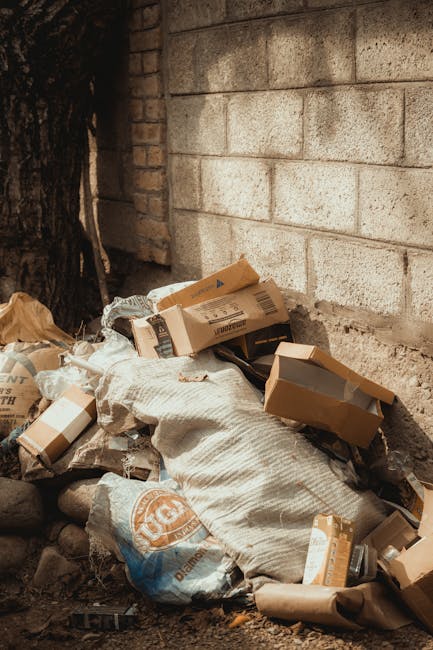
CR8 Household Rubbish Clearance Tips Near Purley Station
If you live in CR8 and you are staring at a growing pile of old bags, broken furniture, awkward appliances, or the "I'll deal with it later" corner of the hallway, you are not alone. Household rubbish clearance near Purley Station sounds simple until you are actually standing there with a dustbin bag in one hand and a half-dismantled chair in the other.
The good news? With a bit of planning, the process becomes much easier. In this guide, you will find practical CR8 household rubbish clearance tips near Purley Station that help you sort waste properly, avoid common mistakes, save time, and choose the right clearance method for the job. We will keep it local, realistic, and useful - no fluff.
Whether you are clearing a flat after a tenancy, tidying a family home, emptying a loft, or just trying to get your weekend back, this article walks you through the sensible way to do it.
Contents
- Why CR8 household rubbish clearance tips near Purley Station matters
- How CR8 household rubbish clearance tips near Purley Station works
- Key benefits and practical advantages
- Who this is for and when it makes sense
- Step-by-step guidance
- Expert tips for better results
- Common mistakes to avoid
- Tools, resources and recommendations
- Law, compliance, standards, or best practice
- Options, methods, or comparison table
- Case study or real-world example
- Practical checklist
- Conclusion
- Frequently asked questions
Why CR8 household rubbish clearance tips near Purley Station Matters
Purley Station is a busy local hub, and the homes around CR8 include everything from compact flats to larger family properties. That matters because clearance jobs rarely happen in neat, tidy conditions. You might have stairs, limited parking, awkward access, shared entrances, or neighbours who would quite understandably rather not see rubbish sitting outside all day.
Good rubbish clearance habits help in three very practical ways. First, they keep the home safer and less cluttered. Second, they reduce the risk of mixing recyclable items with general waste. Third, they stop a simple clear-out turning into a stressful, dragged-out job that takes over your week.
There is also a local angle. Around station areas, access can be tighter, and timing matters more than people expect. A quick, well-planned collection is often far easier than a do-it-yourself approach that involves multiple car trips and a lot of lifting. To be fair, few people enjoy that part.
If you are planning a larger clear-out, it is often worth looking at broader services such as home clearance or house clearance when the task goes beyond a few bin bags. For smaller mixed loads, waste removal is usually the more flexible route.
How CR8 household rubbish clearance tips near Purley Station Works
At its simplest, household rubbish clearance is about identifying what needs to go, separating it into sensible groups, and removing it safely and efficiently. The actual process depends on the type and volume of waste, how easy it is to access, and whether anything needs special handling.
Most people near Purley Station follow one of three routes:
- Self-clearance: you sort and transport the waste yourself, often in stages.
- Skip-based clearance: suitable for bulkier jobs if you have space and know what can go in a skip.
- Man-and-van style collection: useful when you want lifting, loading, and disposal handled in one go.
Each option has its place. A small declutter can be managed with a few careful trips to the right waste facility, while a full flat clear-out is often better handled as a single organised collection. If you are unsure what belongs where, it helps to check practical guidance like what can go in a skip before you start piling items together.
The best approach is usually the one that matches the size of the job, the type of material, and how much time you actually have. Simple, but not always easy when the loft is full of "maybe useful later" boxes.
Key Benefits and Practical Advantages
Clearance is not just about making things disappear. Done properly, it creates a cleaner, safer, and more manageable home environment. That may sound obvious, but once the clutter is gone, people often realise how much easier day-to-day life becomes.
- Less stress: a tidy plan reduces last-minute panic and weekend disruption.
- Safer spaces: fewer trip hazards, fewer blocked walkways, and less strain from moving heavy items.
- Better sorting: reusable, recyclable, and general waste are easier to separate.
- Cleaner access: useful if you are preparing for a move, a tenancy check-out, or decorating.
- More efficient loading: grouped items are faster to remove and less likely to cause confusion on the day.
There is also a mental benefit people rarely mention. Clearing rubbish, old furniture, and forgotten household bits can make a room feel bigger almost instantly. You notice the light again. The floor appears. Small thing, big impact.
For bigger furniture-heavy jobs, it may be worth exploring furniture disposal or mattress and sofa disposal if the main challenge is bulky household items rather than mixed rubbish.
Who This Is For and When It Makes Sense
This type of clearance advice is useful for a wide range of households in CR8. The most common situations are not dramatic; they are just everyday life catching up with people.
- Tenants moving out who need a property left tidy and free of leftover waste.
- Homeowners decluttering before renovation, sale, or a family event.
- Families dealing with years of accumulated bits in lofts, garages, and spare rooms.
- Landlords who need a property made ready between occupancies.
- Older residents or busy households who want the job handled without endless lifting.
It also makes sense when you have mixed waste and bulky items together. A broken bookcase, an old microwave, a few black bags, some worn-out bedding - that kind of mix can become awkward fast. If appliances are involved, look into fridge and appliance removal so you do not end up treating everything as one generic pile.
Truth be told, if you are looking at the pile and thinking "this is more than a couple of bin bags," it is probably the right time to use a proper clearance service rather than trying to patch it together over several weekends.
Step-by-Step Guidance
Here is a straightforward method that works well for most household rubbish clearances near Purley Station.
- Walk through the property room by room. Start with the easiest space first. Seeing quick progress helps, and you avoid getting lost in the mess.
- Sort into simple categories. Keep general rubbish, recycling, bulky items, and anything special or potentially hazardous separate.
- Set aside items that can be reused. Good furniture, usable household goods, or unopened products may be worth keeping, donating, or reselling.
- Check for restricted items. Paint, chemicals, sharps, certain electricals, and other special waste should never be treated casually.
- Estimate the volume. Are you dealing with a few bags, a van load, or enough to fill part of a skip?
- Choose the right clearance route. Match the method to the load size and access conditions.
- Prepare the access path. Clear hallways, protect flooring if needed, and make sure doors can open fully.
- Book or schedule the removal. If the job is time-sensitive, avoid leaving it until the last minute.
A small tip that saves hassle: keep one "decision box" and one "definitely going" pile. It stops the whole project from becoming an endless sorting exercise. You can always come back to the maybes later, but not everything needs a debate. Not really.
If the job is in a flat or top-floor property, flat clearance may be the better fit, especially where stairs, lifts, and shared access need a more careful approach.
Expert Tips for Better Results
The best clearance jobs are usually the boring ones - planned, sorted, and uneventful. That is a compliment, honestly.
- Stage items near the exit only when safe. Do not block fire exits, corridors, or shared pathways.
- Remove hazardous bits first. If something leaks, smells strong, or looks questionable, deal with it separately.
- Break down large items. Flat-pack furniture, dismantled bed frames, and folded cardboard are much easier to move.
- Use the right bags. Weak sacks split at the worst moment. A double bag is often worth it.
- Keep paperwork and valuables out of the pile. Old drawers hide passports, letters, keys, and the odd tenner if you are lucky.
- Think about recycling before loading everything together. Once waste is mixed, sorting becomes harder.
One useful habit is to take a quick phone photo of the job before you begin. That helps you keep track of progress and makes it easier to explain the volume if you are asking for a quote. It is a simple thing, but it works.
If your clear-out includes a loft, garage, or garden as well as household rubbish, the relevant services can help narrow the problem down: loft clearance, garage clearance, and garden clearance.
Common Mistakes to Avoid
Most clearance headaches come from a few repeat mistakes. Avoiding them saves time, money, and a fair bit of annoyance.
- Mixing everything together too early. Once recyclables, general waste, and special items are bundled into one heap, it is harder to manage properly.
- Underestimating the volume. A job that looks like three bags can turn into ten. It happens all the time.
- Leaving fragile or sharp items unwrapped. Broken glass and exposed metal are a bad combination for anyone carrying loads.
- Assuming appliances can be binned normally. Larger electricals often need separate handling.
- Blocking access before the removal day. This slows everything down and can create avoidable risk.
- Choosing the wrong clearance method. A skip is not always the answer, and self-transport is not always cheaper once fuel, time, and effort are counted.
A common one, especially near busy stations, is forgetting about parking or loading space. If the vehicle cannot get close enough, the job takes longer. That part is often overlooked until the van arrives and everyone starts doing geometry with the pavement.
Tools, Resources and Recommendations
You do not need specialist equipment for a basic household clear-out, but a few simple items make life easier.
- Heavy-duty sacks for non-sharp general waste.
- Gloves for handling dusty, dirty, or rough items.
- Box cutter or screwdriver for dismantling furniture safely.
- Marker pen and labels for sorting rooms or item categories.
- Old sheets or cardboard to protect floors and stairs during moving.
- Basic torch for lofts, cupboards, and under-bed spaces where things get forgotten.
For service selection, start with the nature of the waste rather than the room itself. A few pieces of furniture plus general rubbish may be best handled alongside furniture clearance. Mixed rubbish from refurbishment or packed-out rooms may be better suited to waste removal.
If you want to understand costs and how they are usually built up, the page on pricing and quotes is a sensible place to start. It helps you compare like with like instead of guessing.
Law, Compliance, Standards, or Best Practice
Household rubbish clearance is not just a practical task; it also comes with legal and environmental responsibilities. In the UK, waste must be handled properly, and householders should be careful not to hand waste to anyone who cannot deal with it responsibly.
That does not mean you need to memorise regulations. It does mean you should be cautious with anything that might count as hazardous, electrical, or bulky specialist waste. Items that may contain chemicals, oils, refrigerants, or sharp components need more thought than an ordinary bin bag.
Best practice is fairly straightforward:
- separate different waste types where possible,
- avoid fly-tipping risks by using legitimate disposal routes,
- keep documents and private items secure until removed,
- ask questions if a clearance provider cannot explain how they handle the waste,
- use proper handling for fragile, heavy, or contaminated items.
For anything that feels borderline, it is safer to stop and check rather than guess. Hazardous materials in particular should be treated with care; the dedicated hazardous waste disposal page is useful if you need a more cautious route for those items.
Trust is also part of compliance. Pages such as insurance and safety and health and safety policy are the sort of things you want to see from any provider handling your home waste. It is a basic expectation, really.
Options, Methods, or Comparison Table
Choosing the right method depends on how much rubbish you have, how quickly it needs to go, and whether you want to do the lifting yourself. Here is a simple comparison.
| Method | Best for | Strengths | Drawbacks |
|---|---|---|---|
| Self-clearance | Very small loads, light items | Low direct spend, flexible timing | Time-consuming, physical effort, transport hassle |
| Skip hire | Bulky jobs with steady waste volume | Good capacity, convenient for ongoing clear-outs | Space needed, rules on what can go in, loading restrictions |
| Man-and-van clearance | Mixed household rubbish, furniture, fast clear-outs | Fast, lifting included, ideal for awkward access | May cost more than doing it yourself for very small jobs |
In many CR8 households, the third option wins simply because the access is awkward and the time savings are real. A skip can be fine, but if you are working around a narrow street or communal entrance, it may not be the neatest solution. For builders' debris or renovation-heavy loads, the dedicated builders waste clearance page is the better match.
Case Study or Real-World Example
A fairly typical situation near Purley Station goes something like this. A couple had just finished moving out of a flat and discovered that the storage cupboard, spare room, and balcony had quietly filled with years of leftovers: boxes, a broken lamp, a small shelving unit, a mattress, old kitchen bits, and enough loose packaging to make the room feel even smaller than it was.
They started by sorting the obvious recyclables from general rubbish. Then they pulled out anything fragile or potentially useful. The mattress and shelving were kept separate, the bags were stacked neatly by the exit, and the awkward electricals were not mixed in with everything else.
Because access was tight and the flat was on an upper floor, the job worked better as a planned clearance rather than multiple car trips. One focused visit, a clear pathway, and a bit of dismantling made the whole thing manageable. The room looked larger as soon as the bulky items were removed. You could almost hear the relief in the space, if that makes sense.
The main lesson? Sorting first saves time later. Every single time. It is rarely the glamorous part, but it is the part that keeps the rest of the day from turning into a mess.
Practical Checklist
Use this quick checklist before you start your household rubbish clearance near Purley Station.
- Walk through each room and list the items to remove.
- Separate general waste, recycling, furniture, electricals, and anything hazardous.
- Set aside personal papers, keys, chargers, and valuables.
- Check whether items need dismantling before removal.
- Protect flooring, corners, and tight access routes if needed.
- Make sure bags and boxes are strong enough for lifting.
- Confirm whether the waste needs a skip, clearance team, or mixed waste collection.
- Ask for a quote if the load is larger than expected.
- Plan the timing so the property is clear before any deadline.
- Review the disposal route for anything unusual or restricted.
Expert summary: The easiest household rubbish clearance is the one that starts with sorting, not lifting. Once the waste is grouped properly, everything else becomes simpler - from pricing to loading to responsible disposal.
Get a free quote today and see how much you can save.
Conclusion
Clearing household rubbish near Purley Station does not need to be chaotic, expensive, or physically exhausting. With a bit of structure, you can sort the waste properly, protect the property, and choose a clearance method that actually suits the job.
The biggest wins usually come from small, sensible decisions: separate the waste early, don't guess on awkward items, and pick a method that matches the access and volume. That alone removes a lot of stress.
If you are facing a bigger clear-out, or you simply want the job done with less disruption, the right help can make a very real difference. Sometimes the best decision is the boring one - the one that saves your back and your Saturday.
And once the last bag is gone, you get that satisfying, quiet moment when the room feels like yours again.
Frequently Asked Questions
What is the easiest way to clear household rubbish near Purley Station?
For small amounts, sorting and taking waste away in manageable stages can work. For larger or mixed loads, a planned clearance or waste removal service is usually easier because it saves time and avoids repeated trips.
Can I put all my household rubbish in one pile and sort it later?
You can, but it usually creates more work. It is better to separate general waste, recycling, furniture, and special items from the start so nothing gets damaged or mixed up.
What should I do with old furniture from my CR8 property?
Bulky items are often best handled separately. Depending on condition, they may be suitable for furniture disposal or furniture clearance rather than being mixed in with general rubbish.
How do I know if I need a skip or a clearance service?
If the waste is mostly loose, ongoing, and you have suitable space, a skip may suit you. If you need lifting, loading, and faster removal, a clearance service is often the simpler choice.
Are electrical items treated differently from normal rubbish?
Yes, many electrical items need separate handling. Large appliances and items with cables, motors, or refrigerants should not be treated as ordinary household rubbish.
What if I have rubbish in a flat with difficult access?
That is very common near station areas. A flat clearance approach is often more practical because it takes account of stairs, lifts, and shared access rather than just the volume of waste.
Can I include old mattresses and sofas in household rubbish?
They are usually better handled separately because they are bulky and awkward. A dedicated mattress and sofa disposal option can save time and reduce loading problems.
Is it worth asking for a quote before I start sorting?
Yes, especially if you suspect the load is larger than you first thought. Even a quick quote can help you decide whether to clear it yourself, use a skip, or book a collection.
What items should I keep separate at all times?
Anything hazardous, sharp, leaking, heavily contaminated, or clearly restricted should be kept separate. If you are unsure, err on the side of caution and check before loading it with general waste.
How can I make the clearance day go smoothly?
Clear walkways, label bags if needed, dismantle large items early, and keep the access route open. A bit of prep makes a big difference, and the whole thing feels much less frantic.
What if I also need loft or garage waste removed?
That is common in household projects. If the waste is spread across storage areas, using loft clearance or garage clearance alongside the main rubbish removal plan keeps the job organised.
Where can I learn more about disposal and recycling options?
It helps to look at related pages on recycling and sustainability and what can go in a skip so you can make better decisions about different waste types.