Common problems for Purley rubbish clearance in narrow access homes
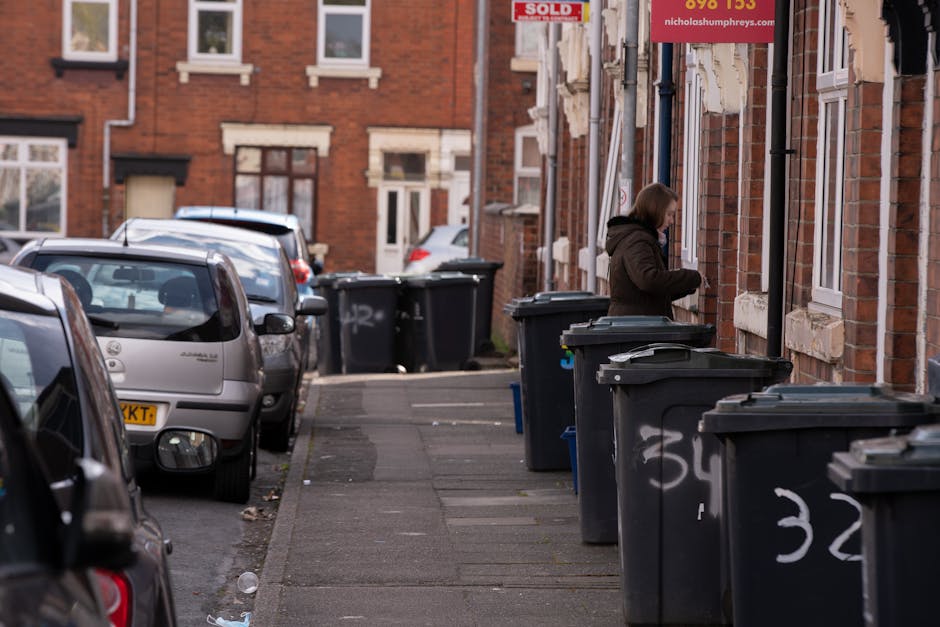
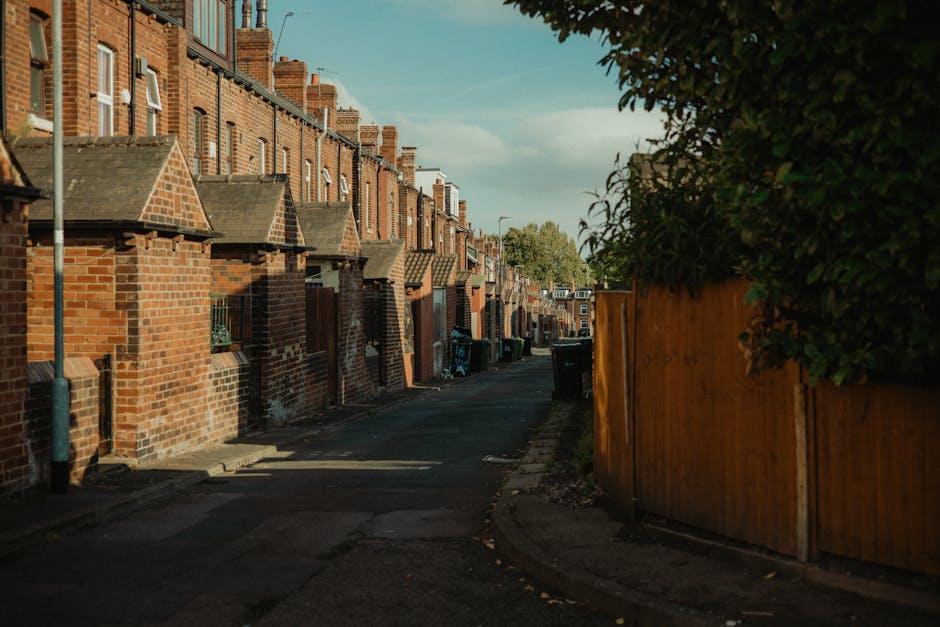
Narrow hallways, tight stairwells, awkward side returns, and those one-way-in, one-way-out Victorian layouts can turn a simple rubbish clearance into a bit of a puzzle. If you live in Purley and you're dealing with bulky waste in a home that never seems to have enough room to manoeuvre, you're not imagining it: Common problems for Purley rubbish clearance in narrow access homes are often less about the rubbish itself and more about access, timing, and safe handling.
This guide breaks down the real-world issues people run into, what makes them tricky, and how to plan a clearance so it goes smoothly. We'll cover practical steps, common mistakes, the best ways to prepare, and when specialist help makes the difference. Truth be told, it's usually the awkward doorway rather than the old sofa that causes the biggest headache.
Table of Contents
- Why Common problems for Purley rubbish clearance in narrow access homes matters
- How Common problems for Purley rubbish clearance in narrow access homes works
- Key benefits and practical advantages
- Who this is for and when it makes sense
- Step-by-step guidance
- Expert tips for better results
- Common mistakes to avoid
- Tools, resources and recommendations
- Law, compliance, standards, or best practice
- Options, methods, or comparison table
- Case study or real-world example
- Practical checklist
- Conclusion
- Frequently Asked Questions
Why Common problems for Purley rubbish clearance in narrow access homes Matters
Narrow access changes everything. A clearance job that looks straightforward on paper can become slow, awkward, and more expensive if rubbish has to be carried through tight doorways, down steep internal stairs, or around corners where a fridge simply will not fit without damage risk. In Purley, where homes can range from compact terraces to converted flats and older properties with less forgiving layouts, these access issues crop up often.
Why does it matter so much? Because poor planning can lead to avoidable delays, scratches on walls, chipped banisters, back strain, and a lot of standing around while everyone tries to work out the best route. And nobody wants that on a Tuesday morning with half the street watching, cup of tea in hand.
For the homeowner, it matters because access affects cost, speed, and the level of support needed. For the clearance team, it affects load planning, vehicle positioning, crew size, and whether special lifting methods or extra labour are needed. That means narrow access is not a small detail; it is often the main operational issue.
There's also a safety angle. Large items carried through tight gaps can be unstable. Boxed rubbish can shift. Broken furniture can snag. If the route is cramped and cluttered, even careful work gets harder. The result can be damage to the property or to the items being removed, which is the sort of problem everyone would rather skip.
Practical takeaway: access is not just a convenience issue. It shapes the whole clearance plan, from quote accuracy to final loading.
How Common problems for Purley rubbish clearance in narrow access homes Works
A good narrow-access clearance starts before anyone lifts a single bag. The process usually begins with a description of the property, the items to be removed, and the route those items must travel. That route may include front steps, narrow side alleys, shared entrances, split-level landings, or low ceilings that force awkward carrying angles.
In a normal home, the challenge is often volume. In a narrow-access home, the challenge is geometry. A wardrobe that is fine in a spacious hallway may simply not turn the corner. A mattress may flex too much if it has to be forced through a tight landing. A pile of mixed rubbish might need splitting into smaller loads so it can be carried safely.
Here's what usually happens in practice:
- The access route is checked mentally or by photos, sometimes with a quick call to clarify width, stairs, parking, and obstacles.
- The items are grouped by type and size so the crew can decide what needs dismantling, what can be carried directly, and what needs bagging first.
- The vehicle is positioned as close as possible without causing obstruction or risk.
- Items are moved out in a sequence that reduces congestion inside the property.
- Bulky or awkward items are protected, turned carefully, or broken down where appropriate.
- Waste is sorted for reuse, recycling, or disposal depending on type and condition.
That may sound simple enough, but the awkward bits are rarely obvious until you're standing in the hallway. A lamp shade catches on a banister. The stair turn is just a touch too tight. Someone forgot there's a low cupboard door opening into the route. Small stuff, big impact.
In many cases, the best solution is not brute force but better sequencing. Move the easiest items first, create working space, then tackle the large pieces when the path is clear. It sounds almost too basic, yet it solves a surprising number of access problems.
Key Benefits and Practical Advantages
When narrow access is handled properly, the whole job feels calmer. That's the honest truth. You save time, reduce damage risk, and avoid turning your home into a bottleneck of furniture, bags, and frustration.
- Less risk of damage: careful movement and proper planning reduce scrapes on walls, door frames, floors, and stair rails.
- Safer lifting: smaller loads and the right handling method lower strain for everyone involved.
- More accurate quotes: clear access information helps avoid surprise add-ons later.
- Faster clearance: a planned route keeps the job moving, even in tight spaces.
- Better sorting: rubbish, reusable items, and recyclables can be separated more efficiently when the workflow is organised.
- Less stress for residents: you're not trying to improvise on the day while the crew waits.
There's also a practical home-life benefit. When a clearance is done well in a narrow property, the space feels bigger almost instantly. Hallways stop feeling like storage corridors. Landings open up. You can actually move without side-stepping a pile of old clutter. Lovely, really.
And for people working around family schedules, shift work, or shared entrances, good access planning means less disruption. That matters in Purley homes where neighbours, parking, and access windows can already be a juggling act.
Who This Is For and When It Makes Sense
This topic is relevant to anyone living in a home where moving rubbish out is harder than it should be. That includes upper-floor flats, maisonettes, period terraces, converted houses, and properties with narrow front passages or rear access only. If you've ever tried to angle a wardrobe through a stairwell and thought, "No chance," this is for you.
It also makes sense if you're dealing with one-off bulky items such as sofas, mattresses, wardrobes, white goods, old desks, or bags of mixed clutter from a loft, garage, or spare room. A narrow door frame can turn an ordinary item into a logistics problem. Not glamorous, but there we are.
Typical situations include:
- moving out of a flat with limited hallway space
- clearing after a renovation where builders' debris must be taken through the only exit
- removing furniture from older homes with split staircases
- sorting a loft or cellar that has a very tight access point
- clearing a property where access is shared with neighbours and timings matter
If you're comparing options, narrow access is also a good reason to look at related services rather than treating every job like a standard collection. For example, some homes benefit from a more tailored flat clearance approach, while others may need a broader home clearance or even a focused house clearance if the whole property is involved.
Step-by-Step Guidance
If you want the job to go smoothly, preparation is everything. Here's a sensible way to handle a rubbish clearance in a narrow-access home without overcomplicating it.
1. Measure the tight spots
Check the narrowest doorway, stair bend, hall pinch point, and any external gate or passage. You do not need to become a surveyor. Just get a rough feel for what will and won't pass through safely. A couple of photos can be worth a lot here.
2. Identify the bulky items first
Start with the awkward stuff: sofas, wardrobes, bed frames, appliances, and large shelving units. These items usually dictate the route and labour required. Smaller bags and loose rubbish are much easier once the major obstacle has gone.
3. Clear the route before collection day
Move shoes, plant pots, recycling boxes, and random clutter out of the way. In narrow homes, even a small obstacle can reduce the usable space by half. It sounds obvious, yes, but it is one of the most common causes of delays.
4. Decide what can be dismantled
A table with removable legs, a bed frame, or shelving that can be broken down is far easier to carry. If dismantling is sensible and safe, it may save time and reduce the chance of damage. Just keep screws and fittings together in a labelled bag. Future-you will thank you.
5. Group waste by type
Put general rubbish, furniture, appliances, and anything potentially hazardous into separate piles where possible. That makes it easier to handle responsibly and helps avoid confusion on the day.
6. Confirm parking and loading access
Where will the vehicle stop? Can it get close enough to make the carry reasonable? If not, the team may need more time or extra manpower. This one detail often changes the whole plan.
7. Share anything unusual early
Let the provider know if there is a spiral staircase, a low ceiling, a basement, fragile flooring, or shared access restrictions. Small details can save a lot of back-and-forth later.
8. Keep the final exit clear
On the day, make sure the main path is free. If you have pets, small children, or neighbours who use the same passage, plan around them. A little calm goes a long way in a tight space.
One-line truth: the smoother the route, the safer the clearance.
Expert Tips for Better Results
After dealing with enough awkward-access jobs, a pattern emerges. The best results come from planning the route as carefully as the load itself. That's where the difference is made.
First, think about turning circles, not just doorway width. A sofa may fit through the door on paper, but if it cannot pivot in the hallway, it still won't move. Second, remove anything fragile from the path. Picture frames, mirrors, table lamps, and loose rugs are the things most likely to get knocked in narrow areas.
Third, avoid overfilling bags. Heavy bags are difficult to carry cleanly in tight spaces, and they can swing into walls or knees. A few lighter bags are often safer than one heroic monster bag nobody enjoys lifting. Let's face it, nobody needs to play superhero with old bin bags.
Fourth, if you suspect an item will not come out intact, say so early. Sometimes a bed base, wardrobe, or appliance needs partial dismantling before removal. That is normal, not a sign of failure. It's just real-life clearance.
Fifth, make sure the quote reflects access conditions. A clear description of the home helps avoid assumptions. Photos are especially helpful for homes with a tricky staircase or rear route.
And finally, keep a little flexibility in the schedule. Narrow access jobs can take longer if another resident is coming in, if parking is tight, or if a piece of furniture needs a second attempt. Rushing is usually what causes mistakes.
Common Mistakes to Avoid
A lot of the headache in narrow-access rubbish clearance comes from avoidable errors. Here are the big ones.
- Underestimating the route: people focus on the item size and forget the hallway turn, stair landing, or external step.
- Leaving too much clutter in place: the clearance crew then has to work around obstacles before the real job even starts.
- Not mentioning bulky items in advance: this can lead to a quote that does not reflect the actual work.
- Forcing furniture through tight gaps: that's how walls get marked and handles get snapped off.
- Using bags that are too heavy: awkward to carry, hard to stack, and more likely to split.
- Ignoring shared access or parking constraints: especially common in Purley streets where space can be limited at busy times.
- Mixing potentially hazardous waste into ordinary rubbish: never ideal, and sometimes not safe at all.
A small example: someone clears a spare room, piles everything by the front door, then realises the front door opens inward and the bags now block the swing. Simple mistake, annoying outcome. It happens more than you'd think.
The fix is usually simple too: work backwards from the exit. If the final carry point is clear, the rest tends to go better.
Tools, Resources and Recommendations
You don't need specialist kit for every job, but the right basics help. For narrow-access homes, practical tools often matter more than brute strength.
| Tool or item | Why it helps | Best use |
|---|---|---|
| Moving blankets | Protect walls, bannisters, and furniture edges | Carrying bulky items through tight routes |
| Straps or grips | Improve handling and control | Large furniture and awkward items |
| Labelled bags | Keep sorting organised | Mixed rubbish and smaller waste |
| Basic hand tools | Allow safe dismantling where needed | Bed frames, tables, shelving |
| Photo checklist | Helps explain access clearly | Pre-quote planning |
| Floor protection | Reduces scuffs and marks | Long carries through narrow hallways |
If you're trying to clear other types of waste at the same time, it can help to review the relevant service first. For instance, bulky domestic pieces might be handled through furniture clearance or furniture disposal, while broken kitchen appliances may fit a fridge and appliance removal service. Mixed household clutter, on the other hand, may be better matched to waste removal.
For those dealing with larger, messier clear-outs, a broader property-focused service can also be useful. A loft clearance can help when the access issue is upstairs storage, while garage clearance often involves awkward access plus heavier, dustier items. Different job, same principle: know the route before the lifting starts.
Law, Compliance, Standards, or Best Practice
When rubbish clearance involves narrow access, safety and responsible handling matter just as much as speed. In the UK, waste should be managed by a suitable and careful process, and you should be cautious about who handles it, how it is moved, and where it ends up. If a service provider is collecting waste, it is sensible to expect clear handling practices, appropriate insurance, and reasonable care around the property.
Best practice usually means:
- safe manual handling and sensible load sizes
- clear separation of items that may need special disposal
- careful treatment of the property and shared areas
- transparent pricing where access difficulties are explained in advance
- proper attention to items that may be classed as hazardous or need special handling
If you have items such as chemicals, sharp materials, or anything questionable, it is better to raise the issue early rather than guessing. The same goes for security-sensitive paperwork or confidential material. In some cases, services like confidential shredding are more appropriate than general rubbish removal.
It is also worth checking how a provider approaches safety and customer protection. Pages such as insurance and safety, health and safety policy, and recycling and sustainability can give you a better feel for how they work. That may sound a bit formal, but honestly, it tells you a lot about whether a company takes the job seriously.
For mixed or unusual items, always ask what is and isn't suitable. If you're unsure about load type or disposal route, a page like what can go in a skip can be a helpful reference point, even if you are not hiring a skip itself. Good information saves awkward surprises.
Options, Methods, or Comparison Table
Different approaches suit different narrow-access homes. The right method depends on item size, urgency, property layout, and how much you want handled in one visit.
| Method | Best for | Pros | Watch out for |
|---|---|---|---|
| Standard rubbish removal | General bags and mixed small waste | Simple and quick | May not suit bulky items or tight stairways |
| Furniture-focused clearance | Sofas, tables, wardrobes, beds | Better handling for large pieces | May need dismantling or extra labour |
| Whole-home clearance | Multiple rooms or a full property reset | Efficient for larger jobs | Needs good planning in narrow homes |
| Room-by-room staged clearance | Tight homes with limited access | Reduces congestion | Takes a bit more coordination |
| Specialist item removal | Appliances, mattresses, hazardous items | More appropriate handling | May require extra notice |
If your property is especially tight, staged clearance often works best. Clear one room, create a working corridor, then move to the next. It is slower in theory, but in practice it can be smoother and safer. Funny how that works.
For people dealing with sofas or beds in a narrow terrace, a service like mattress and sofa disposal can be more practical than trying to shoehorn bulky items through an unsuitable exit. If the issue is builder's debris rather than household clutter, builders waste clearance is the better fit.
Case Study or Real-World Example
Here's a very typical scenario. A Purley homeowner in an upper-floor flat wanted to clear an old sofa, a broken desk, several bags of household clutter, and a heavy wardrobe from a narrow hallway with one tight turn near the stairs. On paper, it looked like a half-day job. In reality, the hallway was just narrow enough to make every item a little awkward.
The first step was to remove the small bags and loose items so the stair landing could be used properly. That opened the route and made the space feel less cramped. Next, the wardrobe was assessed and partially dismantled so the larger panels could be carried more safely. The sofa was checked against the stair turn and moved on its narrow edge with protective wrapping to reduce scuffs. Nothing dramatic. Just careful work.
What made the biggest difference was not extra muscle but better sequencing. Once the clutter was out and the route was clear, the larger items became manageable. There was a small pause halfway through when the hallway looked like a game of Tetris gone wrong, but the final result was neat and far less stressful than forcing everything at once.
The homeowner's main relief was simple: no wall damage, no blocked landing, and no need to keep moving items around the house after the crew left. That's the quiet success of a well-planned narrow-access clearance. You barely notice the process later, which is exactly the point.
Practical Checklist
Use this checklist before your clearance day. It keeps things calm and helps prevent the classic "Oh, I forgot to mention that..." moment.
- Measure or photograph the narrowest doorway and stair turn
- List all bulky items separately
- Identify anything that can be dismantled
- Clear the path from room to exit
- Remove rugs, ornaments, and fragile items from the route
- Check where the vehicle can park
- Tell the provider about shared access, steps, or low ceilings
- Keep hazardous or unusual waste separate
- Have keys or building access arranged in advance
- Confirm whether you need furniture, appliance, or whole-home support
- Make sure pets and children are kept clear on the day
- Leave a little flexibility for unexpected access issues
Quick reminder: if it looks tight, say so early. That one detail can save a lot of trouble.
Conclusion
Common problems for Purley rubbish clearance in narrow access homes usually come down to a handful of predictable issues: tight hallways, difficult turns, limited parking, bulky furniture, and the risk of damage if the job is rushed. None of that makes the task impossible. It just means the clearance needs to be planned properly.
With a clear route, realistic expectations, and the right type of service for the items involved, even awkward homes can be cleared safely and efficiently. The key is to treat access as part of the job, not an afterthought. Do that, and everything tends to run more smoothly. A bit less stress. A bit less noise. A much better finish.
If you're weighing up your options, choose the approach that respects the space you actually have, not the space you wish you had. That's usually where the best result starts.
Get a free quote today and see how much you can save.
Frequently Asked Questions
What are the most common access problems in narrow Purley homes?
The most common issues are tight stair turns, narrow hallways, low ceilings, awkward door frames, and limited space for carrying bulky furniture out of the property.
Can a rubbish clearance team remove items from a flat with very narrow stairs?
Yes, in many cases they can, but the approach may need to change. Large items may need dismantling, careful angling, or a staged removal plan so the stairs are not blocked.
Do I need to measure my doorway before booking?
It helps a lot. Even rough measurements or a few photos can make planning easier and reduce the risk of surprise complications on the day.
Will narrow access make rubbish clearance more expensive?
It can, depending on the extra time, labour, or dismantling required. The exact impact varies, so it is best to describe the access clearly when requesting a quote.
What if my sofa or wardrobe will not fit through the hallway?
That usually means it may need partial dismantling or a different removal method. A sensible provider will assess the route and suggest the safest way to get it out.
How should I prepare a narrow hallway for clearance?
Remove clutter, rugs, shoes, fragile items, and anything that narrows the route further. The cleaner the path, the easier and safer the clearance.
Is it better to clear one room at a time in a narrow home?
Often, yes. Staged clearance can reduce congestion and make movement easier, especially where there is only one main route out of the property.
Can appliance removal be done in tight spaces?
Usually, yes, but appliances are often heavy and awkward. Fridges, washing machines, and similar items may need special handling and a clear route.
What kind of waste should I mention in advance?
Always mention bulky furniture, appliances, sharp items, heavy bags, and anything that might be hazardous or unusual. It helps the team plan properly.
Are there any legal or safety issues with rubbish clearance in narrow homes?
The main concerns are safe lifting, careful handling, and proper disposal of waste. If anything is hazardous or sensitive, it should be flagged early so it is handled appropriately.
How long does a narrow-access clearance usually take?
It depends on the amount of waste, the items involved, and how tight the access is. A well-prepared job is usually much faster than one where the route has not been checked.
What is the best way to get a reliable quote?
Give as much detail as you can about the items, access route, stairs, parking, and any obstacles. Photos are especially useful and can prevent misunderstandings later.
Can narrow-access homes still be cleared safely without damage?
Yes, provided the route is planned carefully and the items are handled properly. Most damage happens when people rush or try to force items through spaces that are too tight.
What should I do if I'm not sure whether my waste is suitable for clearance?
Separate the uncertain items and ask before collection day. Some items may need specialist handling, while others can be taken as part of a general clearance. It is always better to ask than guess.
If you want a calmer, safer, and more efficient result, the best move is to plan the access before the lifting begins. That small bit of preparation can make all the difference, and honestly, it often turns a stressful job into something pleasantly uneventful.